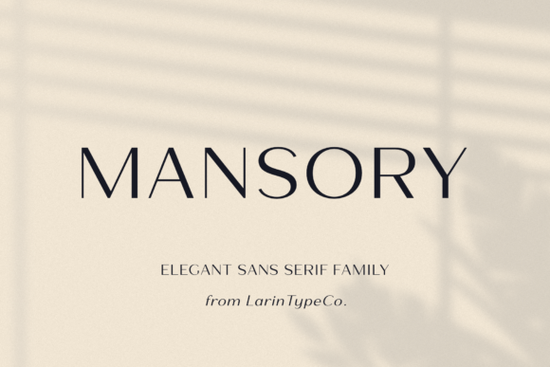
Finding the right typeface for a minimalist project can be frustrating. You want something clean, but it still needs personality. The Mansory Font solves this by offering a gorgeous, light sans serif style that stays highly readable. It is incredibly well balanced, making it a reliable choice for designers, crafters, and small business owners who need an aesthetic look without sacrificing clarity. Whether you are setting up a print-on-demand store, designing wedding stationery, or cutting custom vinyl decals, this typeface gives your text a refined, airy feel.
What makes a light sans serif work for branding?
Light weights often struggle with readability, especially at smaller sizes. However, when drawn with careful attention to spacing and stroke width, a typeface becomes a highly effective tool for modern branding. Minimalist brands frequently rely on sans serif typography to communicate simplicity. This design achieves that goal by keeping the letterforms open. Designers often use light weights to convey luxury. When building a brand identity for a wellness coach, a skincare line, or a jewelry maker, the typography needs to feel effortless.
How do you pair this typeface with other fonts?
Pairing a light font requires careful contrast. Since the main typeface is so delicate, avoid pairing it with other thin fonts. Instead, look for heavier weights or distinct styles to create a clear visual hierarchy.
- If you need a heavier counterpart for your headings, exploring a bolder alternative like the TRT Burn typeface can give your titles the visual weight they need.
- For projects that require a more structured, geometric feel in the supporting text, the Brisca family offers clean lines that complement lighter styles beautifully.
- When your design calls for a touch of tradition mixed with modern spacing, checking out the Modern Heritage collection provides a nice contrast to the airy vibe of your main text.
Where does this font perform best in print and digital?
Because of its thin strokes, this typeface shines in large-format printing and high-resolution digital displays. It is highly versatile for several specific applications:
- Wedding invitations: The elegant, thin lines give a romantic and modern touch to formal event stationery.
- Apparel graphics: Print-on-demand sellers can use it for subtle, minimalist chest logos or large back prints on hoodies.
- Crafting and vinyl: For hobbyists using cutting machines, the uniform stroke width means fewer snagged edges during weeding.
- Product packaging: Cosmetic brands benefit from the sophisticated, uncluttered look on small jars and labels.
Keep in mind that for very small text, like legal disclaimers, you might want to switch to a regular weight. If you are specifically looking for more light options to test side-by-side, browsing this specific sans serif category will give you plenty of variations to compare.
What settings should you adjust for the best results?
Getting the most out of a light typeface means paying close attention to your design software settings. Here are a few adjustments that drastically improve the final output:
- Letter spacing: Add a slight amount of tracking to uppercase letters. This gives the words more room to breathe and enhances the premium feel.
- Line height: Increase the space between lines of text. Thin fonts need extra vertical space so the descenders and ascenders do not feel cramped.
- Color contrast: Avoid using light gray text on a white background. Stick to dark charcoal to ensure the thin strokes remain crisp and legible.
Quick Checklist Before Exporting Your Design
Before you send your files to a printer or publish them online, run through these practical steps to ensure your typography looks perfect:
- Check the contrast ratio between your text and background color using a free online accessibility tool.
- Print a physical test copy on your home printer if you are using this for packaging or business cards.
- Outline your text in Adobe Illustrator or convert to curves in Canva before sending files to a commercial printing service.
- Test your social media graphics on a mobile phone to ensure the thin strokes do not disappear on smaller screens.
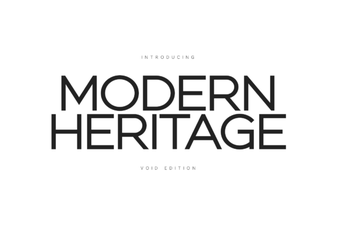 Contemporary Fonts Connecting Legacy & Innovation
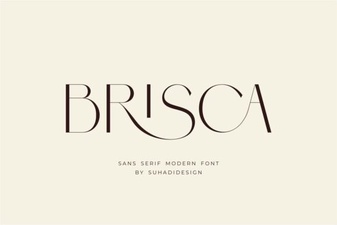 Brisca Font for Creative Typography Projects
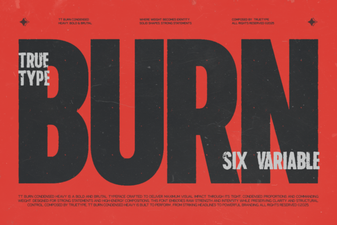 Download the Creative Trt Burn Font for Digital Art
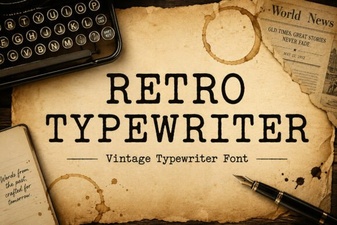 Craft Vintage Documents with a Classic Typewriter Font
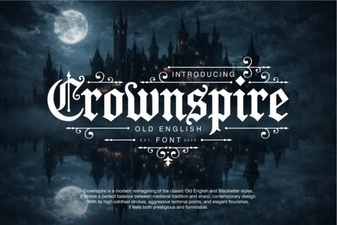 Crownspire Font: Creative Typography Projects
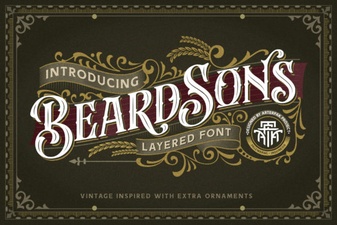 Beardsons Font: Modern Display for Creative Projects