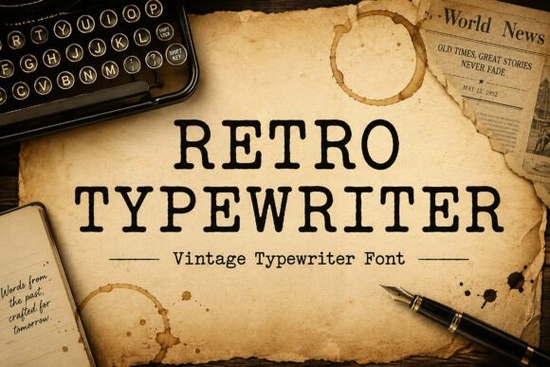
Getting the right vintage feel for a design project often comes down to choosing the right typography. If you want to capture the authentic, slightly imperfect look of old-school typing machines, the Retro Typewriter Font is a solid choice. This vintage-inspired serif typeface brings a nostalgic editorial look to your work, making it highly useful for designers, print-on-demand sellers, and small business owners who need a touch of retro character without sacrificing readability.
What makes a good vintage typewriter typeface?
When looking for a classic typing machine style, you want something that feels authentic without being hard to read. The best options feature clean letterforms with subtle imperfections, mimicking the ink bleed and slight misalignments of real mechanical keys. This approach gives your text a warm, human touch that standard digital fonts lack. If you are exploring other options in this style, you might also look at alternatives like the montage typeface to compare how different designers handle vintage serifs. A good retro font should feel like a physical document, adding immediate personality and history to your layout.
How do you use typewriter styles in modern design?
Incorporating mechanical text styles into modern projects requires a bit of balance. Because these fonts carry a lot of visual weight and texture, they work best when paired with simpler, cleaner typefaces for your body copy. For instance, if you are designing a book cover or a journal, use the typewriter style for the main title or short quotes, and stick to a highly legible sans-serif for the longer descriptions.
Crafters and small businesses can also use these styles for physical products. When printing on rustic packaging or creating writer-themed merchandise, the ink-stamped look translates beautifully to cardboard, kraft paper, and cotton fabrics. Digital creators can also use it for social media graphics, giving Instagram carousels or Pinterest pins a distinct, recognizable brand voice that stands out in a crowded feed. If you want to see how other serif styles handle editorial layouts, checking out the desevon lettering can give you more ideas for pairing vintage headers with elegant body text.
Which projects work best with this style?
This specific typeface is highly versatile, but it truly shines in projects that benefit from a historical or literary aesthetic. Here are a few ways creators are using it right now:
- Book Covers and Journals: Perfect for mystery novels, historical fiction, or lined diaries that need a classic literary feel.
- Editorial and Newspaper Layouts: Gives modern zines or blog graphics an authentic, old-school print quality.
- Print-on-Demand Merchandise: Looks great on tote bags, coffee mugs, and t-shirts featuring short, punchy quotes.
- Rustic Packaging: Adds a handmade, artisanal touch to labels for coffee roasters, craft soaps, or boutique candles.
- Vintage Posters: Ideal for event flyers, gig posters, or theatrical promotions that need a mid-century vibe.
For more inspiration on how to mix different serif weights in your poster designs, you can review the silkydusk collection to see how contrasting thicknesses affect the overall mood of your composition.
How do you ensure the text remains readable?
One common mistake when using highly textured fonts is making the text too small or crowding the letters. Mechanical styles need room to breathe. Increase your line spacing slightly to prevent the subtle ink blurs from overlapping. Also, avoid using all-caps for long sentences, as the uniform height of typewriter letters can make extended reading difficult. Keep your usage to short headlines, subheads, or brief poetic stanzas. Adjust the tracking if your design software allows it. Typewriter fonts naturally have monospaced or semi-monospaced widths, so giving them a tiny bit more breathing room between characters can drastically improve legibility on smaller mobile screens. If you need a slightly more refined look for longer paragraphs, the retro typewriter alternatives might offer a cleaner baseline while keeping the same nostalgic mood.
What should you check before finalizing your design?
Before you export your files or send them to the printer, run through this quick checklist to make sure your vintage typography looks its best:
- Check the contrast between your text color and the background, especially if you are using a textured paper effect.
- Ensure your line height is set to at least 1.2 or 1.5 to keep the letterforms distinct and easy to read.
- Test the design in black and white to verify it relies on good layout rather than just color to convey the message.
- Always prioritize readability over pure aesthetics when dealing with highly textured letterforms.
- Make sure to print a physical test copy if you are creating packaging or merchandise to see how the ink imperfections translate to the actual material.
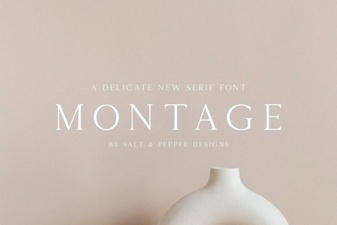 The Montage Font for Creative Typography Projects
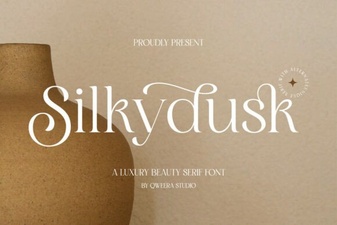 Silkydusk Font for Elegant Typography Projects
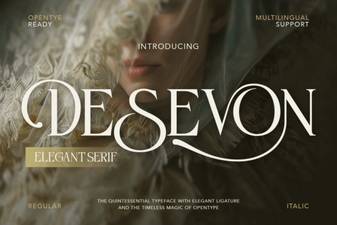 Unlock Creative Projects with Desevon Font
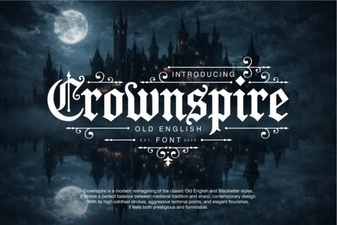 Crownspire Font: Creative Typography Projects
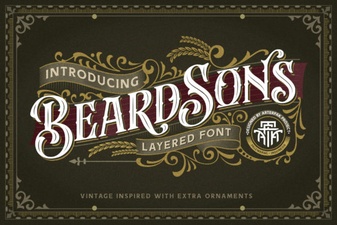 Beardsons Font: Modern Display for Creative Projects
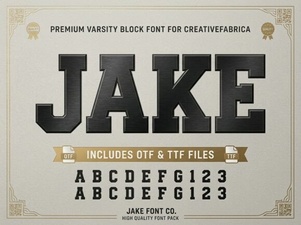 Unleash Creativity with the Jake Font Style