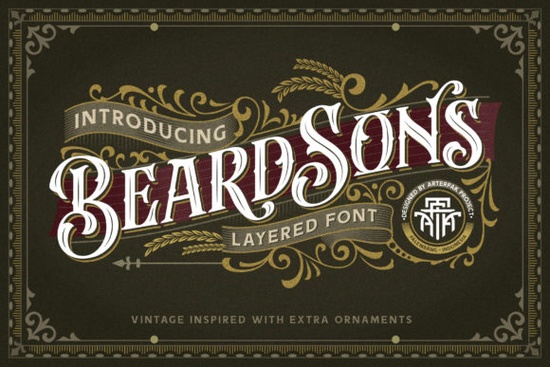
Finding the right gothic typeface can be tricky when you want something that feels authentic but remains legible. If you are working on a project that needs a historical or rugged aesthetic, Beardsons Font offers a distinct vintage feel. This specific typeface brings a heavy, ornate style to the table, making it a solid choice for crafters and small business owners looking to add some old-world charm to their visual assets. Understanding the roots of blackletter typography helps explain why these heavy strokes resonate so well with modern audiences.
What makes a good vintage blackletter typeface?
When selecting a gothic style for your design, readability is usually the biggest hurdle. Many traditional styles are so dense that they become hard to read at smaller sizes. A well-crafted vintage typeface balances thick, dramatic strokes with enough negative space to keep the letters distinct.
This is where exploring different options within this specific font family becomes useful. You get the dramatic, historical weight without sacrificing the clarity needed for modern printing. The sharp edges and sweeping curves give it a hand-drawn, slightly weathered look that works beautifully for brands wanting a rugged or heritage identity.
How do you use gothic style lettering in modern projects?
Integrating heavy, historical lettering into contemporary designs requires a bit of restraint. Because the letters carry so much visual weight, they should act as the focal point of your layout.
For print-on-demand sellers, this style is incredibly effective on apparel. Think about the back of a vintage-style band tee or a bold graphic on a canvas tote bag. The thick lines hold up well to screen printing and direct-to-garment methods. If you are looking for similar aesthetics to compare, checking out other gothic typefaces with a similar vibe can help you narrow down the exact mood you want for your clothing line.
Crafters and hobbyists will also find this typeface highly versatile for physical projects. It cuts cleanly on vinyl plotters for custom tumblers and looks striking when carved into wood or etched into leather.
Which projects work best with heavy, ornate typography?
Not every project needs a dramatic, historical font. To get the best results, match the typeface to the right medium and audience. Here are a few areas where this style truly shines:
- Tattoo flash and parlor branding: The sharp, intricate details translate perfectly to skin art and shop signage.
- Craft beer and coffee labels: Small businesses in the artisanal food and beverage space often use these styles to convey a handmade, premium quality.
- Event posters and gig flyers: Music events, particularly in the rock, metal, or indie folk genres, benefit from the edgy, dramatic presence of gothic lettering.
- Custom merchandise: Patches, enamel pins, and embroidered hats require bold, simple shapes that remain recognizable from a distance.
How can you pair ornate lettering with other typefaces?
Pairing a highly decorative font with the wrong secondary typeface can make your design look cluttered and confusing. The golden rule is contrast. Since your primary gothic font is already doing a lot of heavy lifting visually, your supporting text needs to be quiet and clean.
A simple, geometric sans-serif or a highly legible monospaced font works best for subheadings and body copy. This creates a clear visual hierarchy. Your audience will immediately know where to look first, and the supporting text will provide the necessary details without fighting for attention. Keep the ornate lettering for the main title, the brand name, or a short, punchy slogan.
Quick checklist before you export your design
Before you send your file to the printer or upload it to your storefront, run through this quick checklist to ensure your typography looks its best:
- Check the kerning: Historical fonts often have awkward spacing between certain letter combinations. Adjust the kerning manually if two letters look too cramped or too far apart.
- Convert to outlines: If you are sending the file to a professional printer or a vinyl cutting machine, always convert your text to vector outlines to prevent missing font errors.
- Test the scale: Print a physical proof at actual size. What looks good on a large monitor might be completely illegible on a small sticker.
- Review the contrast: Ensure the font color stands out sharply against the background material, especially if you are printing on dark fabrics or textured paper.
Taking these extra few minutes will save you from costly reprinting mistakes and ensure your final product looks exactly as you intended.
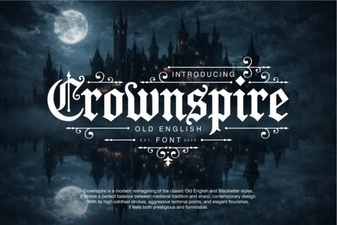 Crownspire Font: Creative Typography Projects
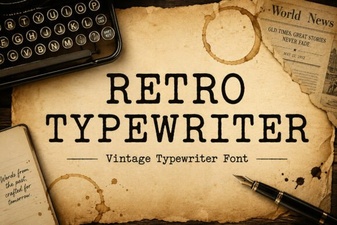 Craft Vintage Documents with a Classic Typewriter Font
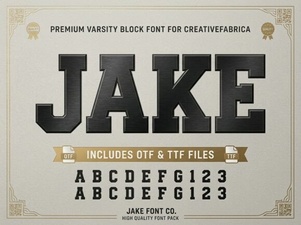 Unleash Creativity with the Jake Font Style
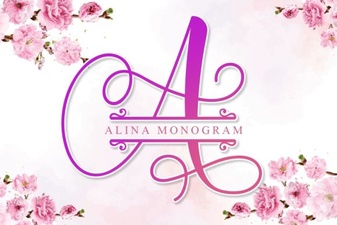 Alina Monogram Font: Elegance for Modern Design Projects
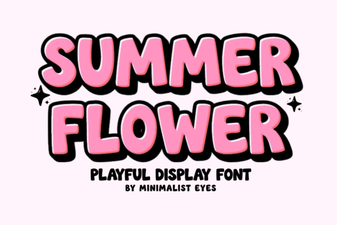 Designing with Summer Flower Fonts: Styles & Projects
 Creative Summer Fonts for Hipster Design Projects