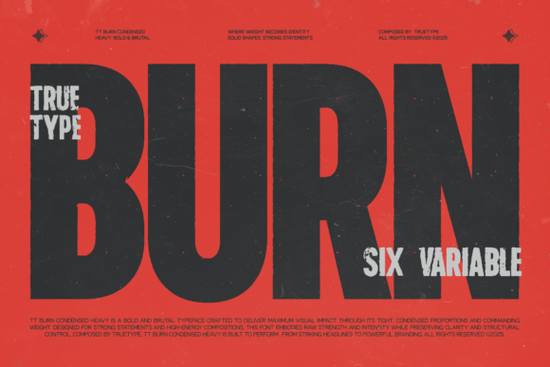
Finding the right typeface for tight spaces without losing readability is a common challenge for small business owners and print-on-demand sellers. The TRT Burn Font solves this by offering a modern condensed sans serif design that delivers strong visual impact. Built with a compact width and confident vertical proportions, it gives your headlines and branding a professional, assertive tone while fitting more text into narrow columns or small product labels. Whether you are a graphic designer building a corporate identity or a creative hobbyist making custom apparel, this type system provides excellent clarity.
How does a condensed typeface save space in layouts?
When designing packaging, web interfaces, or social media graphics, horizontal space is often strictly limited. A condensed construction allows you to fit longer words into tighter areas without shrinking the overall text size. This is especially useful for long product names on small cosmetic labels or nutritional facts panels. It keeps your message legible and clean. If you are building a structured brand system, having a reliable narrow option means you do not have to compromise on your layout grid. For those who prefer a slightly wider geometric feel to balance their designs, you might also explore options like the Mansory typeface collection to see how different widths affect your overall composition.
What projects work best with this narrow design?
Because of its balanced stroke contrast and refined geometry, this type system is highly versatile. It performs exceptionally well in environments that demand presence without excess width. Here are a few practical applications:
- Branding and Logos: The assertive tone makes it ideal for modern wordmarks and corporate identities.
- Print-on-Demand Merchandise: Fits perfectly on t-shirts, tote bags, and mugs where design boundaries are strict.
- Editorial and Posters: Creates striking, space-conscious headlines for magazines and event flyers.
- UI and Web Design: Keeps navigation menus and buttons clean, especially on mobile screens.
If your current project requires a more traditional or vintage aesthetic to balance out the modern feel, looking into a heritage-inspired sans serif alternative can provide a nice stylistic contrast for secondary text.
Is it legible on screens and small prints?
Yes, the geometry is specifically refined to maintain excellent legibility across both display and functional text applications. The vertical proportions draw the eye downward, which helps readers process information quickly. This is crucial for digital products and advertising where attention spans are short. When reviewing TRT Burn in professional typography databases, you will notice that maintaining consistent stroke contrast in condensed letters prevents them from blurring together at smaller sizes. Anti-aliasing on low-resolution screens can sometimes make thin strokes disappear, but the balanced weight distribution here prevents that issue. For crafters making small stickers or detailed planner inserts, this clarity is essential. If you need a companion font for your body copy that offers a slightly softer, more rounded appearance, checking out the Brisca family options might give your paragraphs a friendlier, more approachable read.
How do you pair it with other design elements?
Since the primary font carries a strong, confident voice, it pairs best with minimalist graphics, plenty of negative space, and simple color palettes. Let the typography do the heavy lifting. Avoid placing it over busy photographic backgrounds unless you apply a subtle drop shadow or a solid color block behind the text to maintain contrast. When setting up your files, always test your text at the actual printed or displayed size to ensure the narrow letterforms do not feel cramped. You can also review the specific TRT Burn character map and weights to select the exact thickness that matches your brand's personality.
Quick checklist before finalizing your typography
- Print a physical test page at 100% scale to check ink spread on narrow strokes.
- View your mobile UI mockups on an actual phone screen to verify button text readability.
- Ensure adequate tracking (letter spacing) so the condensed characters do not touch.
- Check contrast ratios against your background colors for web accessibility compliance.
- Confirm your commercial license covers all intended uses, especially for physical merchandise.
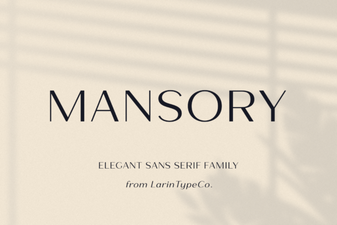 Crafting Digital Luxe: the Mansory Font Guide
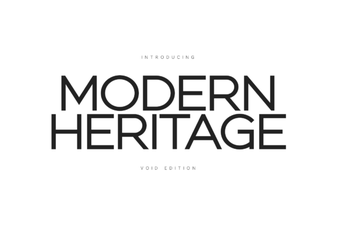 Contemporary Fonts Connecting Legacy & Innovation
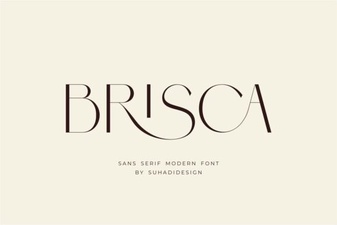 Brisca Font for Creative Typography Projects
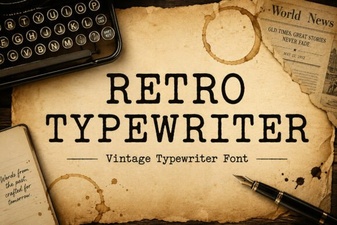 Craft Vintage Documents with a Classic Typewriter Font
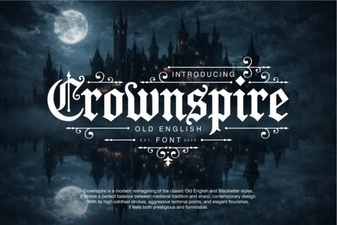 Crownspire Font: Creative Typography Projects
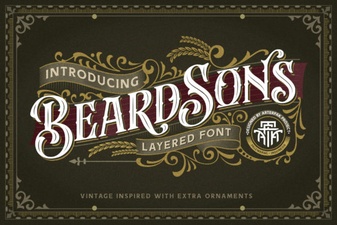 Beardsons Font: Modern Display for Creative Projects