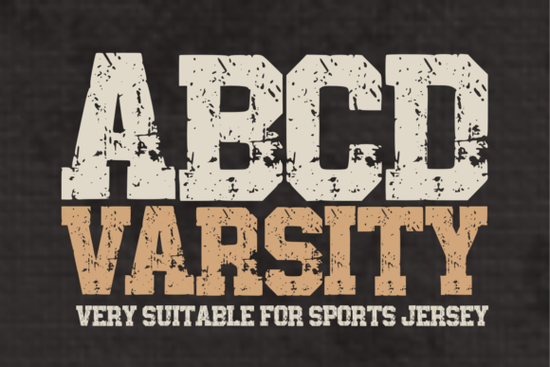
Finding the right typography for athletic apparel or vintage streetwear can be tricky. You want something that feels authentic, rugged, and instantly recognizable. The Abcd Varsity Font solves this by offering a classic, weathered look that mimics traditional university jerseys. If you are working on team merchandise, gym branding, or retro-inspired clothing, this typeface gives your text a thick, geometric structure with just the right amount of worn-in grit. It signals strength and tradition without looking like a cheap digital imitation, making it a reliable choice for small businesses and hobbyists.
What makes a good collegiate display typeface?
When designing for sports themes, the structure of the letters matters just as much as the surface texture. A reliable athletic typeface needs thick, blocky strokes that remain highly legible from a distance. This specific design leans into the characteristics found in many heavy slab serif and block display collections, providing a solid foundation for bold statements. The added distressed texture breaks up solid color blocks, giving the letters a vintage, washed-out appearance that looks natural on fabric.
Beyond texture, pay attention to letter spacing. Collegiate fonts usually require tighter tracking to mimic the physical felt letters sewn onto real jackets. Adjusting the kerning slightly in your design software will make the final product look much more authentic.
Which projects work best with vintage sports lettering?
Because of its bold stance, this typeface is highly versatile across several creative niches. Here are a few ways creators use this style of lettering:
- Print-on-demand apparel: Hoodies and oversized t-shirts featuring large, arched text across the chest. The gritty texture prints beautifully on heavy cotton blends.
- Local business branding: Crossfit gyms, martial arts studios, and craft breweries use collegiate lettering to build a sense of community and local pride.
- Crafting and sublimation: Creating custom iron-on decals for little league teams, or designing sublimated tumblers for sports parents.
- Event merchandise: Posters, banners, and trophies for local tournaments, 5K charity runs, and school fundraisers.
How do you handle distressed textures in cutting machines?
If you are a crafter using a Cricut or Silhouette machine to cut heat transfer vinyl, distressed fonts can sometimes cause headaches. The tiny gaps and weathered edges can result in hundreds of microscopic weeding pieces that tear easily.
To avoid this, consider adding a solid offset shadow behind your text. This gives the cutting machine a solid outer boundary to cut, while the distressed font sits cleanly on top. When studying the history of traditional letterman jackets and ABCD Varsity style typography, you will notice that physical chenille patches also have a solid border. This makes the offset shadow technique historically accurate as well as highly practical.
What are the best color combinations for athletic designs?
To make the most of a collegiate typeface, stick to classic, high-contrast color palettes. The texture shows up best when there is a sharp difference between the text and the background material.
- Navy and White: The most traditional sports pairing. Use white text on a navy garment for a clean, timeless look.
- Maroon and Gold: Perfect for university-style branding or autumn-themed streetwear drops.
- Forest Green and Cream: Offers a vintage, retro-country club aesthetic that works well on heavyweight, garment-dyed tees.
- Black and Faded Red: Ideal for gym apparel and edgy streetwear brands looking for an aggressive, worn-in vibe.
Checklist for preparing your sports typography project
Before you send your design to the printer or hit the cut button on your vinyl machine, run through this quick checklist:
- Check the contrast: Ensure the distressed gaps do not blend into a similarly colored background, which can make the text hard to read.
- Test the weeding: If cutting vinyl, do a small test cut to see if the inner texture is too detailed for your specific blade.
- Curve the text: Use your design software to arc the text slightly. Collegiate fonts almost always look better on a gentle curve.
- Add a secondary font: Pair the bold display text with a simple, clean sans-serif font for smaller details like the establishment year or team numbers.
Take a moment to set up your canvas, type out your brand word, and apply a subtle arch to see how the weathered edges interact with your chosen color palette before finalizing your file.
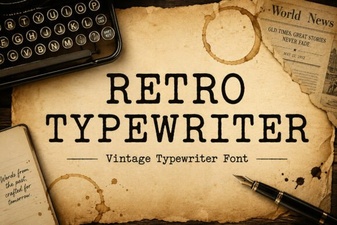 Craft Vintage Documents with a Classic Typewriter Font
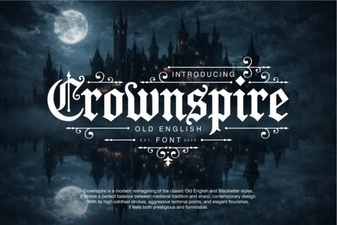 Crownspire Font: Creative Typography Projects
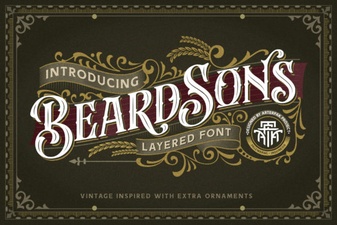 Beardsons Font: Modern Display for Creative Projects
 Unleash Creativity with the Jake Font Style
 Alina Monogram Font: Elegance for Modern Design Projects
 Designing with Summer Flower Fonts: Styles & Projects