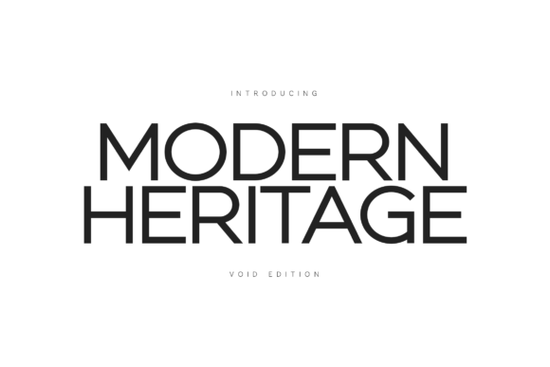
Finding the right typeface for a minimalist project often means looking for a balance between clean lines and strong visual impact. Whether you are a graphic designer building a brand identity, a print-on-demand seller creating minimalist apparel, or a small business owner updating your website, typography sets the tone. When you need a typeface that masters the art of negative space, the Modern Heritage Font is a strong choice. This specific "Void Edition" takes classic Swiss typography proportions and gives them a sharp, contemporary edge. It is designed to create a sense of openness, making it highly effective for brands that want to look established yet modern.
What makes a sans-serif typeface feel luxurious?
Luxury in typography usually comes down to spacing and contrast. A high-contrast design draws the eye, while a generous x-height keeps the text highly readable even at smaller sizes. Swiss typography is famous for its objective, grid-based approach, which naturally translates to a feeling of reliability and order. If you are exploring other options in this style, you might also look at the clean geometry found in geometric typefaces for branding or the structured layouts possible with versatile display styles. The key is choosing letters that do not crowd the page. Monolinear strokes, where the line weight remains consistent, help maintain that ultra-clean, professional presence required for high-end fashion labels or sleek tech interfaces.
How do you use negative space in dense layouts?
Negative space, or the empty area around and between letters, is just as important as the ink on the page. When working with dense paragraphs or complex interface designs, you need a typeface that breathes. The Modern Heritage Font achieves this through its specific styling. The generous spacing prevents the text from feeling cramped. If your project requires a slightly different mood, you can easily pair it with other minimalist sans-serifs for subheadings, or contrast it with the bolder weights seen in editorial display styles. According to standard typography best practices, maintaining consistent tracking and leading is essential when working with high-contrast letterforms to preserve that open, airy feeling.
Which projects work best with this typeface?
Because of its polished and professional presence, this typeface fits perfectly into industries that rely on a sleek, modern aesthetic. It works exceptionally well for a variety of commercial and creative applications:
- Architectural firms: The clean, structural lines of the letters mirror the precision of architectural blueprints and modern building designs.
- Interior design studios: The generous x-height and open counters reflect the spacious, uncluttered environments these studios create for their clients.
- High-end fashion labels: The sharp, contemporary edge gives clothing tags, lookbooks, and website headers a distinctly luxurious feel.
- Tech-focused interfaces: The monolinear strokes remain highly legible on digital screens, making it a practical choice for app design and software dashboards.
How should you pair this font with other design elements?
To get the most out of a high-contrast sans-serif, keep the surrounding design elements relatively simple. Let the typography do the heavy lifting. Use plenty of white space around your text blocks and avoid placing the font over busy, highly detailed background images. If you need to highlight specific words, use italics or underlines sparingly, as the font's natural weight variation already provides strong visual interest.
Quick checklist for your next typography project
Before finalizing your layout, run through these quick checks to ensure your text looks its best:
- Verify that your line height (leading) is set to at least 1.5 times the font size for comfortable reading.
- Check the contrast ratio between your text color and background to meet accessibility standards.
- Test the typeface on both mobile and desktop screens to ensure the monolinear strokes remain crisp.
- Print a physical proof if you are designing for packaging or physical lookbooks to check the ink spread on high-contrast thin lines.
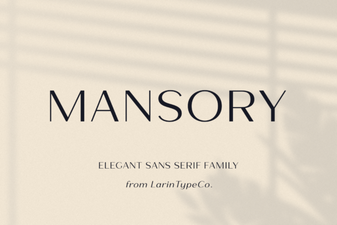 Crafting Digital Luxe: the Mansory Font Guide
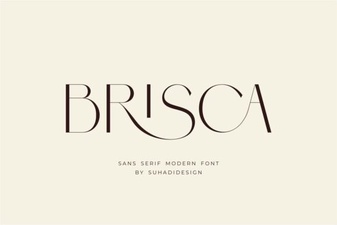 Brisca Font for Creative Typography Projects
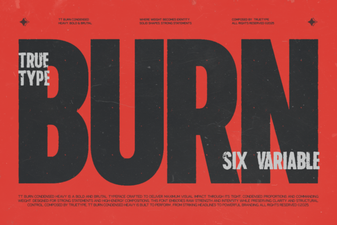 Download the Creative Trt Burn Font for Digital Art
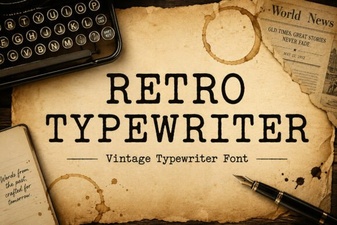 Craft Vintage Documents with a Classic Typewriter Font
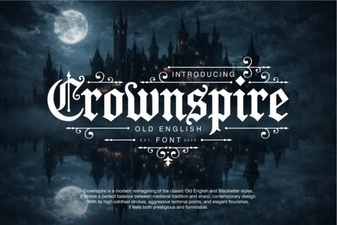 Crownspire Font: Creative Typography Projects
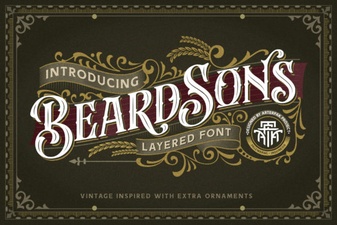 Beardsons Font: Modern Display for Creative Projects