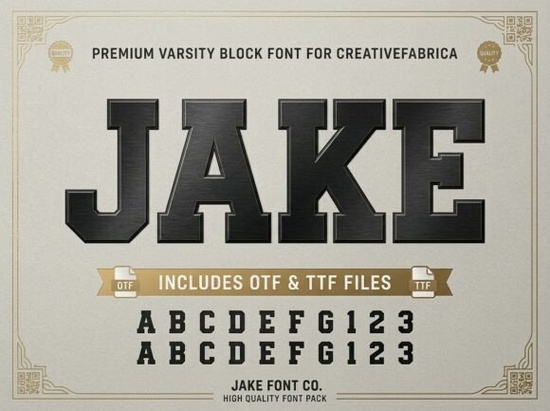
Designing sports apparel or team merchandise requires lettering that looks strong and readable from a distance. The Jake Font is a premium varsity block typeface built specifically for this purpose. It features classic collegiate proportions and sharp slab serifs, giving it that authentic high school and university athletics feel. If you are creating gym apparel, event posters, or team branding, this heavy, solid weight typeface provides the disciplined look you need without feeling overly complicated to use.
What makes a good varsity block typeface?
When you look at traditional sports jerseys, the lettering shares a few common traits. The characters need to be thick enough to be visible from the bleachers, and the serifs must be blocky rather than delicate. This specific typeface captures that traditional aesthetic perfectly. The slab serifs add a grounded, heavy feel to every letter, while the uniform stroke widths ensure that numbers and names look balanced across the chest of a shirt. For crafters cutting heat transfer vinyl, these solid shapes mean fewer weeding headaches and a much cleaner final press on the fabric.
How can you use collegiate fonts for print-on-demand?
Print-on-demand sellers and small business owners can use this style of lettering to create niche-specific merchandise. Think beyond just standard team jerseys. You can design a wide variety of products that appeal to local communities and sports fans.
- Gym and fitness apparel: Bold motivational quotes on weightlifting shirts or heavy-duty canvas tote bags.
- Local event merchandise: 5K run bibs, marathon finisher tees, and charity tournament hats.
- School club gear: Debate team, robotics club, or high school esports team hoodies.
Because the letterforms are so structured, they scale up beautifully for large format printing like banners and stadium signs without losing their sharp edges or becoming pixelated.
Which other display styles pair well with athletic lettering?
Mixing different typography styles helps create visual hierarchy in your layouts. While a heavy block font handles the main headlines, you might need contrasting styles for subheadings or background elements. For instance, if you are designing a summer sports camp flyer, you could balance the aggressive athletic lettering with a relaxed, breezy script like a hand-lettered floral style for the camp subtitle.
If your project leans more toward vintage sports aesthetics, pairing the main block text with a mid-century inspired typeface can give your design a nostalgic, throwback feel. On the other hand, if you are creating merchandise for youth leagues, softening the overall look with a kid-friendly rounded style for the secondary text keeps the design approachable for younger audiences. For ultra-modern streetwear brands, combining the varsity look with a heavy geometric block style creates a striking, urban contrast. You can always explore more options in the complete display typography collection to find the perfect supporting cast for your specific project.
What should you check before printing sports apparel?
Before you send your design to the printer or cut your vinyl, run through a few technical checks to ensure the lettering holds up in physical production.
- Check the kerning: Varsity fonts often require manual kerning adjustments, especially when mixing letters and numbers. Ensure the spacing looks visually even, not just mathematically even.
- Test the weeding process: If you are using a Cricut or Silhouette machine, do a test cut on a scrap piece of vinyl. The inside counters of letters like A, B, and R need to be large enough to peel out easily.
- Verify the contrast: Sports gear often uses high-contrast color combinations like navy and white or black and gold. Make sure your font color stands out clearly against the fabric color.
Next steps for your design project
Getting the most out of your typography requires a bit of preparation. Follow this quick checklist before finalizing your files:
- Download the font files and install them properly on your operating system.
- Open your design software and type out your team name, numbers, or slogan.
- Adjust the tracking and manual kerning to fit the specific garment dimensions.
- Mock up the design on a realistic apparel template to check the final proportions and color contrast.
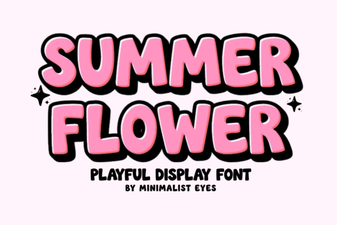 Designing with Summer Flower Fonts: Styles & Projects
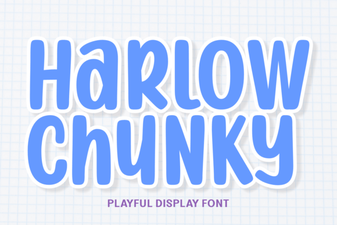 Harlow Chunky Font: Bold Typography Projects
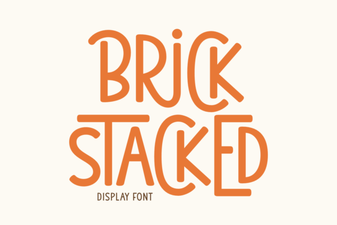 Building a Stacked Brick Font
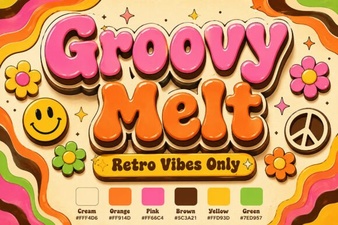 Groovy Melt Font: for Creative & Playful Designs
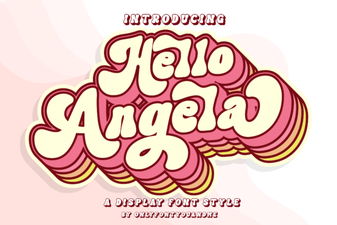 Hello Angela Font: Elegant & Creative Lettering
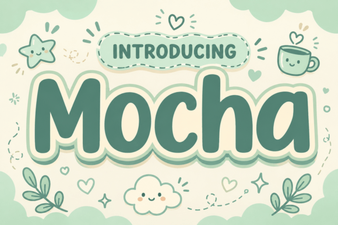 Motcha Font: a Creative Typography Guide