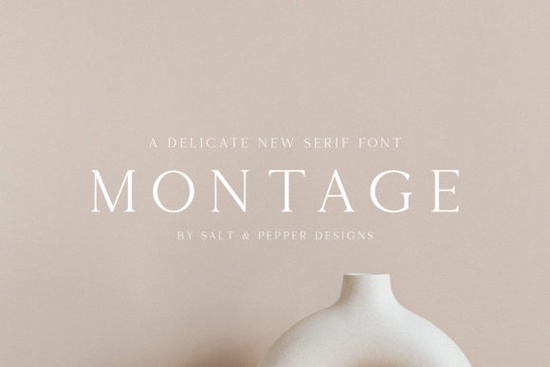
Choosing the right typeface sets the entire mood for your creative project. If you are working on a branding kit, a wedding invitation, or a high-end product label, the Montage Font offers a refined, thin-lettered serif style that immediately signals sophistication. Designed with authentic, delicate strokes, this typeface brings a quiet luxury to visual layouts without overwhelming the reader. It is particularly useful for small business owners and print-on-demand sellers who need their packaging or apparel to look premium and carefully crafted.
What makes a thin serif font work for luxury branding?
Thin serifs rely on high contrast and delicate hairlines to create a sense of elegance. When you use a typeface like this, the negative space between the letters does just as much work as the ink itself. For creative hobbyists and professional designers, this means your text will look breathable and clean on the page.
If you are browsing through various elegant serif options for your next branding project, pay close attention to how the letterforms handle tight spacing. Delicate fonts need room to breathe. When designing a logo or a minimal product tag, keeping the tracking slightly wider than usual prevents the thin strokes from blending together, especially when printed on textured materials like kraft paper or cotton.
How do you pair delicate serifs with other typefaces?
A common challenge for crafters and designers is finding a secondary font that supports the primary typeface without competing for attention. Because thin serifs have so much personality, they pair best with simpler, grounded styles that let the main heading stand out.
For a modern, minimalist look, try pairing your main heading with an understated serif alternative for your subheadings to maintain a cohesive, classic feel across the layout. If you want to introduce a bit of contrast, a simple sans-serif or a subtle modern script style for signatures and accents can add a personal, human touch to wedding suites or cosmetic labels.
Sometimes, a project calls for a stark visual contrast. If you are designing a vintage-inspired poster or an editorial magazine spread, mixing your elegant headings with a monospaced style for the body copy creates a striking, contemporary editorial aesthetic that catches the eye.
Which projects benefit most from elegant lettering?
Not every project needs a highly decorative typeface. Delicate, authentic lettering shines in specific applications where readability and a premium feel are the top priorities. Here is where this style works best:
- Wedding and Event Stationery: The thin, elegant strokes look beautiful on thick cardstock, especially when used with letterpress or foil stamping techniques.
- Cosmetic and Skincare Labels: Small businesses in the beauty space often use refined typography to convey purity, high quality, and a botanical aesthetic.
- Apparel and Tote Bags: Print-on-demand sellers can use delicate text for minimal, chest-pocket style t-shirt designs or subtle canvas tote bag graphics.
- Editorial and Blog Headers: Creative hobbyists running lifestyle or fashion blogs will find that thin serifs make excellent, readable tags that mimic high-end magazine layouts.
How do you ensure thin fonts print clearly?
One practical issue with very thin lettering is how it translates from a bright digital screen to physical materials. Hairline strokes can easily disappear if the printing method or material is not suited for it.
- Check the minimum point size. Avoid using extremely thin fonts for body copy below 10pt. Keep them reserved for large headings, titles, and short quotes.
- Test on the actual material. If you are printing on dark or heavily textured paper, the thin lines might break up. Always run a test print before ordering a large batch.
- Adjust the stroke weight if needed. Most design software allows you to add a microscopic stroke to the text. Adding a 0.25pt stroke in the same color as the fill can reinforce fragile letters for commercial printing.
Before finalizing your design file, run through this quick pre-flight checklist to ensure your typography looks its best:
- Verify that the tracking is wide enough for the thin strokes to remain distinct.
- Confirm that the font is outlined or embedded if you are sending the file to a commercial printer.
- Check the contrast ratio against the background color to guarantee readability for all users.
- Print a physical proof at 100% scale to inspect the hairline details in natural lighting.
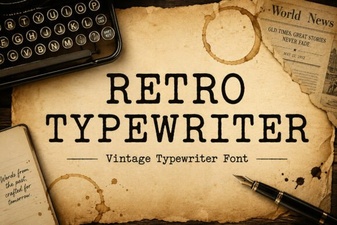 Craft Vintage Documents with a Classic Typewriter Font
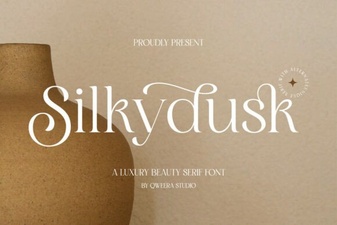 Silkydusk Font for Elegant Typography Projects
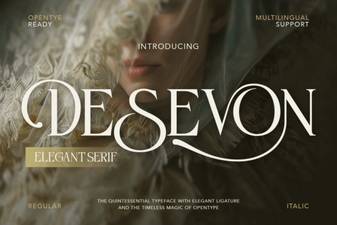 Unlock Creative Projects with Desevon Font
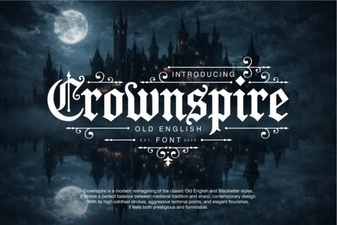 Crownspire Font: Creative Typography Projects
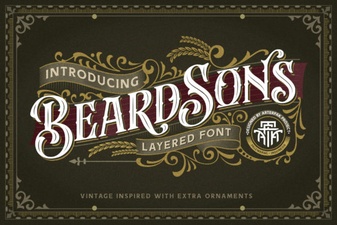 Beardsons Font: Modern Display for Creative Projects
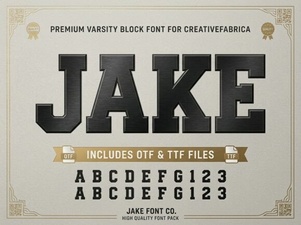 Unleash Creativity with the Jake Font Style