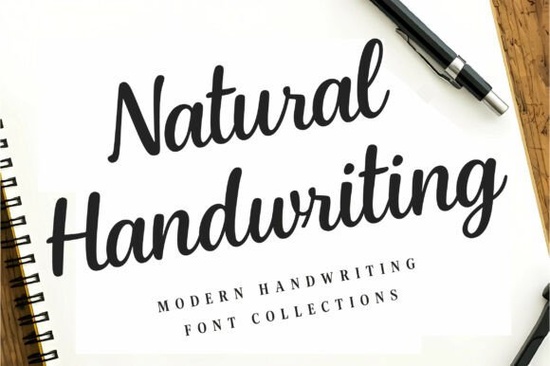
Finding a script typeface that actually looks like real penmanship is harder than it seems. Many options feel too polished or overly messy. The Natural Handwriting Font solves this by balancing quick, informal writing with professional clarity. It gives your projects a sincere, relatable touch without sacrificing readability. Whether you are designing thank-you cards or creating social media graphics, this typeface mimics genuine everyday writing.
What makes a handwriting font look authentic?
Authenticity in typography comes down to subtle imperfections and natural flow. When people write by hand, they do not measure the spacing between every single letter. They connect words quickly, change their slant slightly, and vary the pressure on their pen. This typeface captures those small details. The moderate weight keeps the text legible, while the flowing connections mimic the speed of real writing.
For crafters and print-on-demand sellers, this realism is crucial. If you are printing quotes on coffee mugs or designing custom notebooks, the text needs to look like someone actually wrote it with a pen. An overly perfect script feels like a computer generated it, which breaks the personal connection you want to build with your audience.
How can small businesses use script fonts for branding?
Small businesses often rely on a personal touch to stand out from larger corporations. Using a realistic script in your marketing materials helps build that immediate connection. You can use it for watermark signatures on product photos, handwritten notes included in packaging, or candid quotes on your blog headers.
It also works beautifully for physical products. Think about personalized stationery, custom journals, or handwritten-style logos. When a customer receives a package with a note written in this style, it feels like a genuine message from the founder. If you want to explore other options for your brand, you might also look into a clean signature style for a more formal business touch.
Which projects work best with everyday penmanship styles?
Because this typeface is so versatile, it fits into almost any creative workflow. Here are a few ways designers and hobbyists are using it:
- Thank-you cards and packaging: Adding a realistic handwritten note to your product packaging makes customers feel valued and encourages repeat business.
- Social media graphics: Use it for candid quotes or relatable captions on Instagram and Pinterest. The informal style stops users from scrolling because it feels like a message from a friend.
- Crafting and scrapbooking: Print out titles and journaling spots for your physical memory books. It works wonderfully on cardstock and patterned paper.
- Watermarks: Protect your photography or digital art with a subtle, personal signature across the corner without distracting from the main image.
How do you pair realistic scripts with other typefaces?
Pairing fonts correctly ensures your design stays readable and visually balanced. Since a realistic script has a lot of personality and movement, it pairs best with very simple, structured fonts. Understanding basic Natural Handwriting principles helps you create better layouts.
For a relaxed vibe, try mixing it with a casual weekend typeface to create a friendly, approachable layout. If you are working on seasonal projects, blending it with a relaxed summer style can give your beach or vacation designs a laid-back feel.
For autumn crafts or rustic home decor prints, you might want to contrast the delicate script with a rustic autumn display font to create visual interest. And if you specifically need something for your current project category, browsing through more everyday handwriting options can give you plenty of inspiration.
What should you check before printing your script designs?
Before you send your design to the printer or export it for the web, run through this quick checklist to ensure your text looks perfect.
- Check the tracking: Script fonts usually need default or slightly tighter tracking. Never add extra space between the letters, or the flowing connections will break.
- Test the size: Print a sample at the exact size you plan to use. Some delicate connections might disappear if the text is too small.
- Review the contrast: Make sure the pen color stands out clearly against your background paper or digital canvas.
- Proofread carefully: Because realistic scripts mimic human writing, typos can easily blend in and look like natural mistakes. Double-check your spelling before finalizing.
 Creative Summer Fonts for Hipster Design Projects
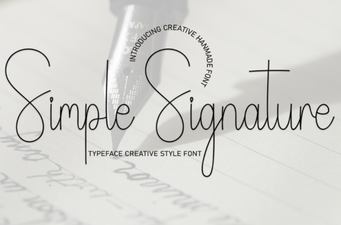 Simple Signature Font Ideas for Creative Projects
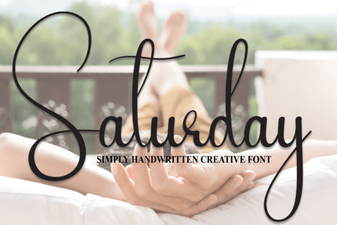 Saturday Font: Stylish Designs for Weekend Projects
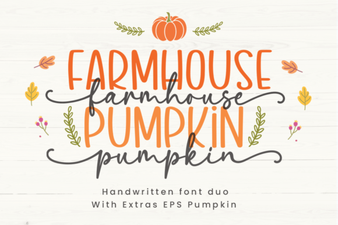 Farmhouse Pumpkin Font Diy Projects
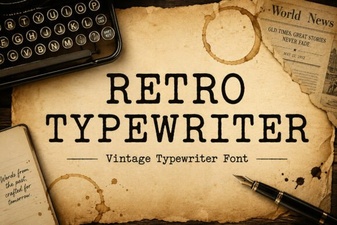 Craft Vintage Documents with a Classic Typewriter Font
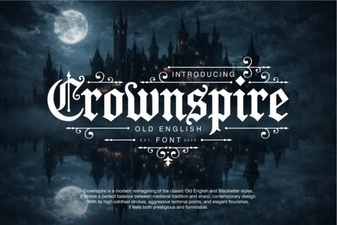 Crownspire Font: Creative Typography Projects