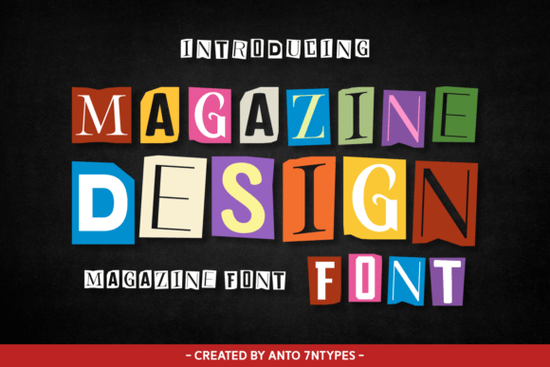
If you are working on a project that needs a retro, cut-and-paste aesthetic, the Magazine Design Font is a highly practical choice. This display typeface mimics the look of vintage ransom letters and newspaper cutouts, giving your text a handcrafted, collage-like feel. It works exceptionally well for crafters, print-on-demand sellers, and small business owners who want to add a nostalgic, playful touch to their visual assets without spending hours manually arranging individual letters.
What kind of projects work best with a ransom letter style?
The uneven, clipped look of this typeface naturally draws the eye, making it ideal for display purposes rather than long body text. Print-on-demand sellers often use this style for graphic T-shirts, tote bags, and stickers where a bold, slightly rebellious message stands out. Small businesses can apply it to product packaging or labels to create a memorable unboxing experience.
For digital creators, it is a strong option for Instagram quote graphics, blog headers, or YouTube thumbnails. The irregular baseline and varied letter widths create visual interest that keeps viewers engaged. If you are designing a zine, an indie book cover, or a retro-style poster, this font provides that authentic, DIY texture right out of the box.
How does it compare to other display typefaces?
When building a font library, it helps to have a variety of styles for different moods. While the Magazine Design typeface leans heavily into a gritty, vintage collage vibe, you might need something softer for other projects. For instance, if you are designing a wedding invitation or a delicate floral brand kit, a flowing script like Hello Angela offers a much more elegant and romantic feel.
On the other hand, if your project requires a clean, modern, and highly readable look for a tech startup or a minimalist blog, a geometric sans-serif such as Jake will serve you better. For crafters focusing on kids' apparel or playful nursery decor, you might prefer the bouncy, lighthearted letterforms found in the Playful Children collection. Each typeface has its specific use case, and having a mix ensures you always have the right tool for the job.
Sometimes, a design needs a rustic or hand-drawn texture instead of a cutout look. In those cases, a brushed option like Motcha adds a warm, personal signature to your work. Alternatively, if you want a retro vibe but with a more floral, bohemian twist, exploring the organic curves of Bloomsy can give your boho-chic projects the exact aesthetic they need.
Is it easy to use for beginners and hobbyists?
Yes, this font is very straightforward to install and use in standard design software like Canva, Adobe Illustrator, or Cricut Design Space. Because the characters are already styled to look like random clippings, you do not need to manually rotate or scale individual letters to achieve the collage effect. You simply type your words, and the software applies the varied cuts and angles automatically.
However, because the letters are highly stylized, it is best to use them sparingly. Limit this typeface to short phrases, titles, or single words. Pairing it with a simple, clean sans-serif or a classic serif for your secondary text ensures your main message remains legible while the display font does the heavy visual lifting.
What should you check before finalizing your design?
Before you send your design to print or publish it online, run through a quick quality check to ensure your typography looks professional.
- Check readability: Make sure your target audience can easily read the text from a normal viewing distance, especially on smaller screens or mobile devices.
- Test contrast: Ensure there is high contrast between the font color and the background. Black or dark charcoal text on a light, textured paper background usually works best for this style.
- Review kerning and spacing: Even with display fonts, check that no two letters are awkwardly overlapping or spaced too far apart.
- Verify licensing: Always double-check your license agreement to confirm you have the correct commercial rights for your specific use, especially if you are selling physical products.
- Print a test copy: If you are creating physical merchandise, print a single prototype to see how the intricate edges of the letters hold up on your chosen material.
Taking these extra few minutes to review your layout will save you time and money in the long run, ensuring your final product looks polished and ready for your audience.
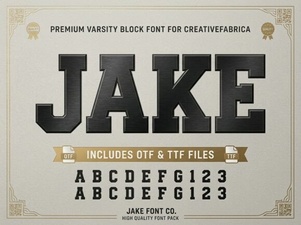 Unleash Creativity with the Jake Font Style
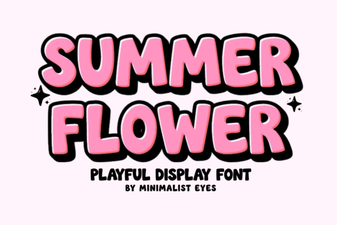 Designing with Summer Flower Fonts: Styles & Projects
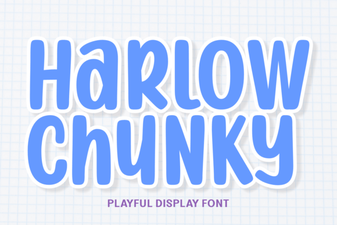 Harlow Chunky Font: Bold Typography Projects
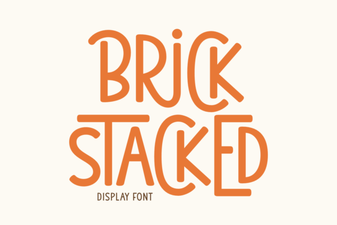 Building a Stacked Brick Font
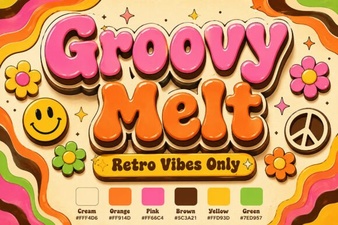 Groovy Melt Font: for Creative & Playful Designs
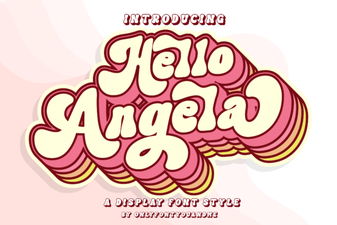 Hello Angela Font: Elegant & Creative Lettering