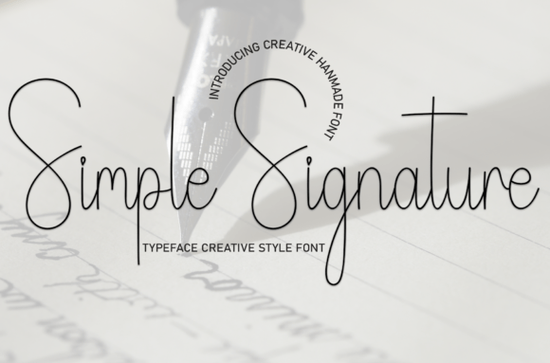
Finding the right handwritten typeface for personal projects often comes down to balancing readability with a genuine, human feel. When you are designing wedding stationery, greeting cards, or custom crafts, you want something that looks like it was written with a real pen, not generated by a machine. The Simple Signature Font offers exactly that kind of sweet, friendly vibe. It brings a cute and casual energy to your layouts without sacrificing the warmth that handmade designs require. Whether you are a seasoned graphic designer or a hobbyist making gifts for friends, having a reliable, playful script in your toolkit is incredibly useful.
What makes a handwritten typeface work for wedding invites and greeting cards?
When designing stationery, the text needs to feel personal and inviting. A stiff, overly formal script can sometimes feel cold, while a messy scrawl might be hard for your guests to read. You want to look for authentic penmanship that keeps the letters distinct and easy to read at a glance. The sweet and friendly nature of this typeface makes it highly effective for names, dates, and short greetings. It adds a fun touch to bridal showers, baby announcements, and birthday cards without overwhelming the actual message you are trying to share. Because the strokes are relatively clean, it scales well on both large welcome signs and small envelope liners.
How do you pair casual scripts with other typefaces?
Pairing fonts is one of the most important skills for small business owners and crafters. A highly decorative script usually needs a very simple, clean sans-serif or a classic serif to balance it out. If you are working with approachable cursive styles, try pairing them with a minimalist all-caps font for the secondary details like addresses, RSVP information, or event times. This creates a beautiful visual contrast that guides the reader's eye. You can also mix and match different moods depending on the season. For instance, if you are designing a seasonal collection, you might combine a breezy script with relaxed summer vibes for a beach-themed product line, or lean into rustic autumn themes when creating fall greeting cards and harvest market signage.
Where can print-on-demand sellers use friendly signature styles?
Print-on-demand sellers and creative hobbyists can use casual scripts across a wide variety of physical products. Because this style is cute and fun, it works exceptionally well on items meant for everyday use or gifting. Think about ceramic coffee mugs, canvas tote bags, and nursery wall art. When designing apparel, a friendly script looks great placed over the pocket area of a sweatshirt or centered on a baby onesie. It is also highly effective for small business packaging. Adding a personalized thank-you note style to your tissue paper, custom stickers, or product tags helps build a stronger connection with your customers. If you ever need a slightly different mood for your merchandise, you can always explore weekend-inspired lettering to give your casual apparel a laid-back, off-duty feel.
What should you check before finalizing your typography choices?
Before you send your design to the printer or publish it to your online store, run through a quick quality check to ensure your text looks professional and polished.
- Check the kerning: Script fonts often have connecting strokes. Make sure the letters flow together naturally without awkward gaps or overlapping blobs.
- Test the readability: Print a small sample on your home printer. If you cannot read it easily at a small size, increase the font size or choose a simpler typeface for the body text.
- Mind the alignment: Handwritten styles look best when left-aligned or centered. Avoid justifying the text, as it will stretch the letters and ruin the natural flow.
- Limit your usage: Use scripts for headlines, names, and short phrases. Stick to clean, simple fonts for longer paragraphs to keep your design easy on the eyes.
Next step: Open your design software, type out your main headline using this friendly script, and test it alongside a clean sans-serif font to see how the contrast works for your specific project.
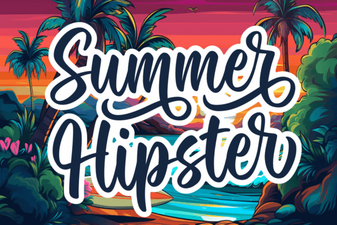 Creative Summer Fonts for Hipster Design Projects
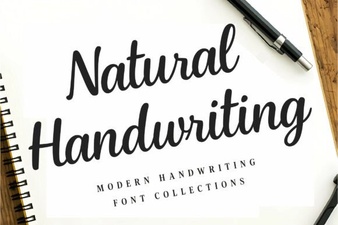 Natural Handwriting Fonts for Creative Projects
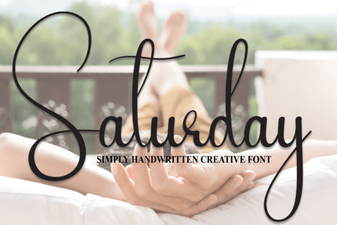 Saturday Font: Stylish Designs for Weekend Projects
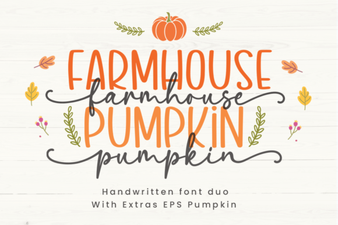 Farmhouse Pumpkin Font Diy Projects
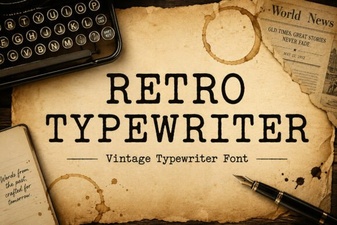 Craft Vintage Documents with a Classic Typewriter Font
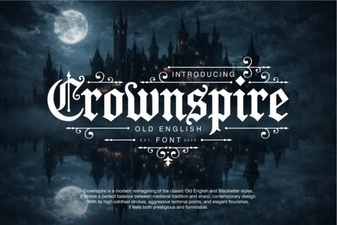 Crownspire Font: Creative Typography Projects